



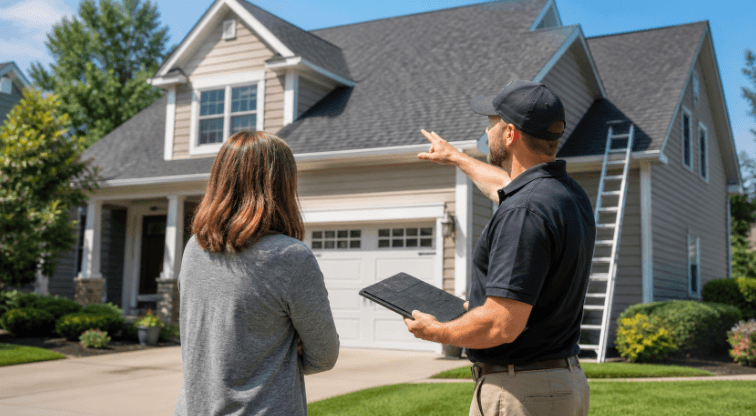
Common Roofing Myths Homeowners Believe (And the Truth Behind Them)
After 25 years of replacing and repairing roofs across Philadelphia, the team at Philadelphia Quality Roofing has heard just about every misconception a homeowner can have about their roof.
TL;DR
Most roofing myths lead homeowners to delay maintenance, skip inspections, or make decisions based on bad information. Understanding the reality behind these common misconceptions helps you protect your roof and avoid unnecessary costs.
Myth 1: “If There’s No Leak, the Roof Is Fine”
This is the most dangerous roofing myth we encounter. By the time water is visible inside your home, it’s already been working through your roofing system. Roof failures are rarely sudden. They develop gradually and spread as different parts of your roof are compromised.
The truth is that “not leaking” is not the same as “performing correctly.”
Myth 2: “You Can Just Roof Over the Existing Layer”
In some states and under some conditions, a second layer of shingles can be installed over an existing one as a cost-saving measure. Homeowners hear “cheaper and faster” and assume it’s the same result, but roofing over an existing layer traps the problems underneath. Any soft decking, failed underlayment, or improper flashing also adds weight, which stresses the roof structure. Manufacturer warranties are often voided on over-roofed systems.
Myth 3: “Do Dark Shingles Make a House Hotter?”
This one comes up constantly during shingle color consultations. While darker surfaces do absorb more radiant heat, the impact on your home is minimal.
Modern architectural shingles, including darker colors, are manufactured with cool-roof granule technology. More importantly, your home’s interior temperature is driven more by attic ventilation and insulation than by shingle color.
Myth 4: “Roof Maintenance Isn’t Necessary Between Replacements”
Many homeowners treat their roof as a “set it and forget it” system. Once it’s installed, they assume it runs on autopilot until it fails. This mindset is one of the primary reasons roofs underperform.
A basic roof maintenance checklist goes a long way. Skipping maintenance consistently shortens a roof’s useful life and turns what would have been a roof repair into a roof replacement. At Philadelphia Quality Roofing, we recommend inspecting your roof twice a year: once in the fall and once in the spring.
Myth 5: “A New Roof Is Just Cosmetic”
Homeowners sometimes hesitate to get a new roof because they don’t think buyers will notice or care.
Does a new roof increase home value? The data and our experience both say yes. A new roof is one of the highest-return exterior improvements a homeowner can make. Buyers and inspectors notice roofing conditions immediately, and a failing roof can derail financing, trigger repairs, or become a significant negotiating point that costs more than a new roof.
Myth 6: “All Roofing Contractors Do the Same Work”
Roofing has significant quality variation based on installation technique, material specification, and what’s included in the scope.
The difference between a correctly installed roof and a poor one isn’t visible from the street on day one. It shows up in year three when flashing fails, or year five when shingles are blowing off in winds they should have withstood. Licensing, insurance, manufacturer certifications, and a track record in the local community are the indicators that matter.


FAQs
How often should I do roof maintenance?
A basic visual inspection from the ground twice a year is the minimum. Also, add a quick check after any significant storm event. At ground level, you’re looking for missing or curling shingles, granule buildup in the gutters, and any sagging or uneven areas in the roof plane.
Is it true that you can’t do roofing work in winter?
Not entirely. Roof emergencies that require repair happen year-round. However, replacements in freezing temperatures come with limitations. Cold also makes materials more brittle and working conditions more hazardous. Most roofers in the Philadelphia area will complete emergency repairs in winter but recommend scheduling installation in spring through fall.
Will a new roof lower my homeowner’s insurance premium?
In many cases, yes—especially if you’re replacing an aging roof with impact-resistant shingles or moving from a material type your insurer views as higher risk. It’s worth contacting your insurance agent before finalizing your selection.
What’s the biggest mistake homeowners make when hiring a roofer?
Choosing on price alone without verifying credentials. After major storms in the Greater Philadelphia area, the volume of out-of-state and unlicensed contractors who appear in local neighborhoods is significant. These are commonly called storm chasers—contractors who move from market to market following severe weather events, collect deposits, and either do poor work or disappear. Always verify that a roofing contractor is licensed in Pennsylvania, carries liability insurance and workers’ compensation coverage, and has a physical, verifiable local presence.
Have a Roofing Question? Get a Straight Answer!
If you’ve heard something about your roof and you’re not sure if it’s accurate, ask us. We’d rather spend five minutes clearing up a misconception than watch a homeowner make a costly decision based on bad information.
Philadelphia Quality Roofing serves homeowners throughout Bucks, Montgomery, Philadelphia, and Delaware counties. Contact us for a free consultation!