5.0
162+
Call
215-713-4178



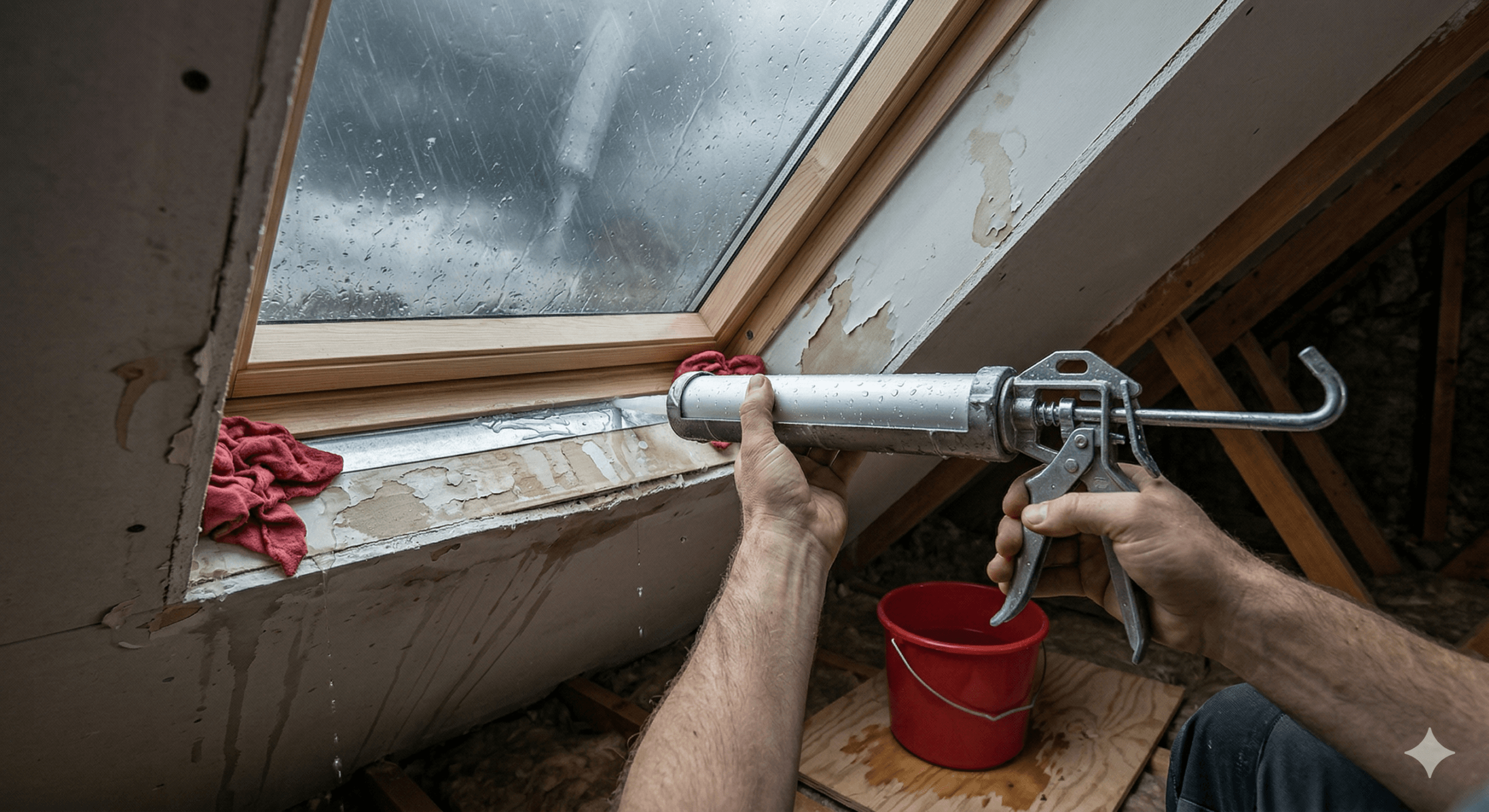
Skylight Leaking? How to Prevent Leaks During Heavy Rain and Wind
In rowhomes, flat roofs, and older properties across Philadelphia, one of the most common issues we see is a skylight leaking after strong storms and wind-driven rain.
If your skylight leaks during or after heavy rain, it usually means water is getting past damaged flashing, failing sealant, or improper waterproofing.
Philadelphia Quality Roofing has been replacing and repairing skylights across Philadelphia, Lower Bucks County, and Montgomery County since 2000. The key isn’t just stopping the leak—it’s fixing the underlying cause so the problem doesn’t come back.
Summary: How to Prevent Skylight Leaking in Philadelphia
If you want to prevent a skylight leak:
- Maintain proper skylight flashing and sealing
- Schedule routine roof inspections
- Improve roof waterproofing and drainage
- Prepare your roof before storms hit
If your skylight is already leaking, schedule skylight repair quickly to prevent interior and structural damage.
Why Skylights Leak More Often in Philadelphia Homes
Skylights are one of the most vulnerable areas of any roof because they are a roof penetration, or an opening that interrupts your roofing system.
In Philadelphia, we see more skylight issues because of urban roofing differences.
- Flat and low-slope roofs allow water to sit longer
- Older homes have outdated flashing systems
- Heavy rain and wind push water under weak points
Cause → Effect → Consequence:
Failing flashing or seal → water intrusion → ceiling damage, mold, and rotted decking
What Causes Skylight Leaking During Heavy Rain and Wind?
These are the most common causes of skylight leaking that our roofers diagnose.
1. Damaged or Improper Skylight Flashing
Skylight flashing directs water away from the skylight. When it fails:
- Water slips underneath shingles or roofing layers
- Skylight and roof leaks appear during storms
| What we see all the time: | What happens if ignored: | Solution: |
| Improper flashing installations or aging materials on older rowhomes. | Leaks worsen and can damage the roof deck and interior ceilings. | Professional skylight flashing repair or full replacement. |
2. Cracked or Deteriorated Roof Sealant
Sealant protects seams and edges, but it doesn’t last forever. Over time:
- UV exposure dries it out
- Temperature changes cause cracking
| Result: | Solution: |
| Even small gaps allow water to enter. | Reapply high-performance roof sealant as part of regular skylight maintenance. |
3. Poor Roof Waterproofing
Water can collect around skylights if the roof isn’t properly sealed. This is common in:
- Flat roofs
- Modified bitumen systems
- Roof decks
| What we see often: | Solution: |
| Water pooling around skylights that eventually seeps inside. | Professional roof waterproofing to redirect water away from vulnerable areas. |
4. Improper Skylight Installation
Not all skylights are installed correctly. Common issues our roofers encounter include:
- Incorrect flashing systems
- Poor sealing methods
- Lack of slope or drainage
| What happens next: | Solution: |
| Recurring leaks—even after temporary fixes. | Proper roof skylight repair or full reinstallation by certified roofing specialists. |
5. Poor Roof Ventilation
Roof ventilation plays a bigger role than most homeowners realize. When ventilation is poor:
- Moisture builds up inside
- Condensation forms around skylights
This can mimic a skylight leak, even without rain.
How to Prevent Skylight Leaking
If you want to avoid costly repairs, follow this process:
1. Schedule Regular Roof Inspections
A professional roof inspection helps catch:
- Flashing damage
- Sealant wear
- Early signs of leaks
We recommend:
- Annual inspections
- Post-storm inspections
2. Maintain Skylight Flashing
Flashing is your primary defense against leaks. Make sure it is:
- Secure
- Properly sealed
- Free of rust or gaps
If yours isn’t, schedule skylight flashing repair immediately.
3. Improve Roof Waterproofing
Proper roof waterproofing ensures water flows away from skylights instead of pooling around them. This is critical for:
- Philadelphia rowhomes
- Flat roofing systems
- Roof decks
4. Prepare Your Roof Before Storms
Storms are when most leaks occur.
Storm preparation checklist:
- Inspect flashing around skylights
- Check for cracks or gaps
- Clear debris from roof surfaces
- Address minor issues before heavy rain
When to Call for Skylight Repair in Philadelphia
Call for skylight repair if you notice:
- Water stains on ceilings
- Dripping during rain
- Condensation buildup
- Drafts near the skylight
In our experience, small leaks quickly turn into major repairs if ignored.
Common Skylight Mistakes We See in Philadelphia Homes
These are the most common issues we fix:
- Using the wrong sealant
- Ignoring early warning signs
- Attempting DIY repairs
- Waiting too long to schedule service
Each of these leads to bigger, more expensive problems.
Why Professional Skylight Repair Matters
We’ve repaired countless skylight leaks across Philadelphia, where most of the problems started as preventable issues. Professional repair ensures:
- Proper materials and installation
- Long-term waterproofing
- Compliance with manufacturer standards
At Philadelphia Quality Roofing, we are certified by GAF and Kemper System. Our roofers follow strict installation guidelines for lasting results.
FAQs
Heavy rain exposes weak points in flashing and sealant that don’t show during lighter weather.
Temporary fixes are possible, but permanent solutions require professional skylight leak repair.
Repairs can last 10–25 years with proper installation and materials, depending on the roofing system.
It can be, especially during storms when water damage can spread quickly.
Protect Your Home with Philadelphia Quality Roofing
If your skylight is leaking in Philadelphia, don’t wait until the damage gets worse.
Philadelphia Quality Roofing specializes in skylight repair, flat roof systems, fiberglass replacement, and custom roof decks that handle the region’s toughest weather.
If you’re dealing with a skylight leak or want to prevent one before the next storm, contact us to schedule a free estimate today and protect your home the right way.